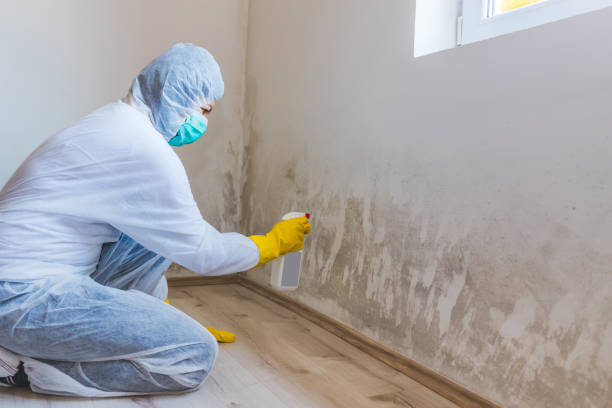
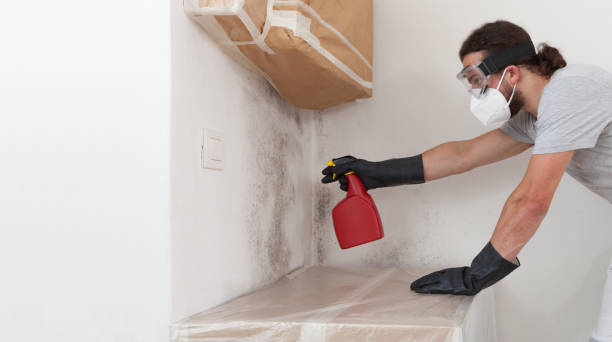
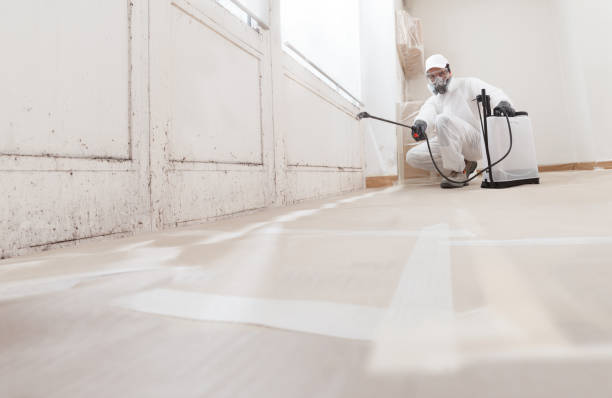
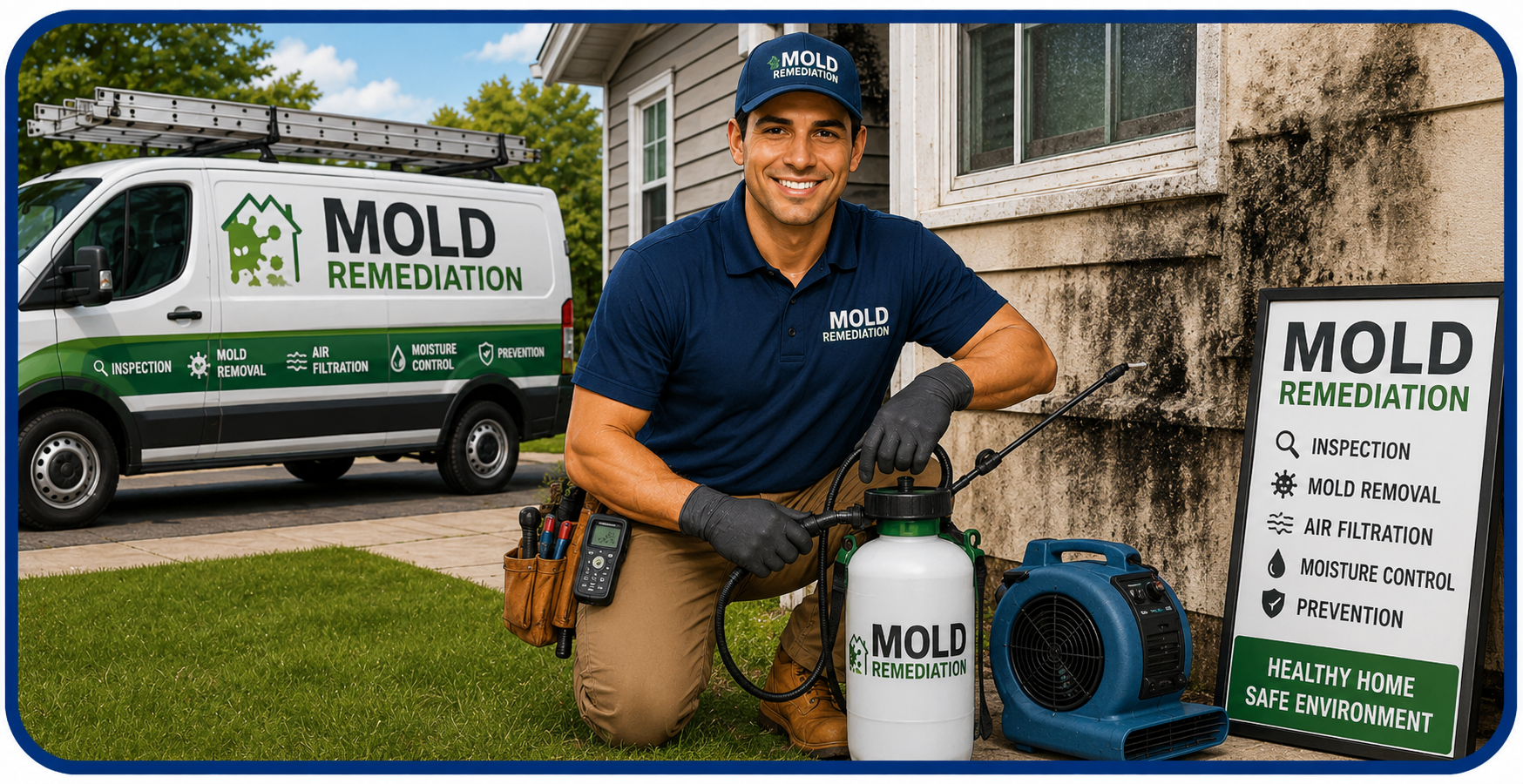
From joist treatment to vapor barrier replacement and encapsulation — the full scope of crawl space mold remediation in Georgetown, CO.
🔍
Crawl Space Mold Assessment & Moisture Mapping
Before any remediation work starts in your Georgetown crawl space, we map moisture content zone by zone, photograph all visible mold growth, and assess the vapor barrier and ventilation — giving you a clear picture of what's there and what's needed.
🔨
Joist & Subfloor Sheathing Mold Removal
HEPA vacuum and wire-brush removal of fungal growth from accessible joist and sheathing surfaces. Where structural integrity is compromised by fungal digestion, affected sections are removed and sistered with treated lumber.
💧
Vapor Barrier Repair & Replacement
Vapor barrier inspection, repair, or full replacement with properly-lapped, footing-secured reinforced poly. This is often the single most impactful long-term fix for chronic crawl space mold in Georgetown, CO homes.
🏔
Encapsulation for Severe Moisture Environments
For Georgetown, CO crawl spaces with chronic high humidity, standing water, or soil moisture problems that ventilation alone can't address, full encapsulation with a sealed vapor barrier, insulated walls, and conditioned air supply is the definitive long-term solution. We assess whether encapsulation or vented conditioning is more appropriate for your Georgetown crawl space climate and construction.
⚡
Ventilation Correction & Dehumidifier Installation
Where crawl space cross-ventilation is inadequate, our Georgetown, CO team identifies additional vent locations, sizes existing vents against square footage, and where appropriate, installs a dedicated crawl space dehumidifier with external drain or condensate pump. Mechanical dehumidification is sometimes the most practical solution for chronically humid Georgetown crawl spaces.
📄
Post-Remediation Clearance & Moisture Verification
After Crawl Space Mold Removal in your Georgetown, CO crawl space, we re-measure joist moisture content to verify they're below the critical threshold (typically below 19% for wood) and arrange independent post-remediation air sampling. Written clearance documentation confirms the job achieved its objective.